Packing with Intention and Clarity
Packing is not simply a task on a checklist. It is the beginning of the inner journey. This guide approaches packing as a thoughtful practice that shapes the entire experience by reducing weight, stress, and uncertainty.
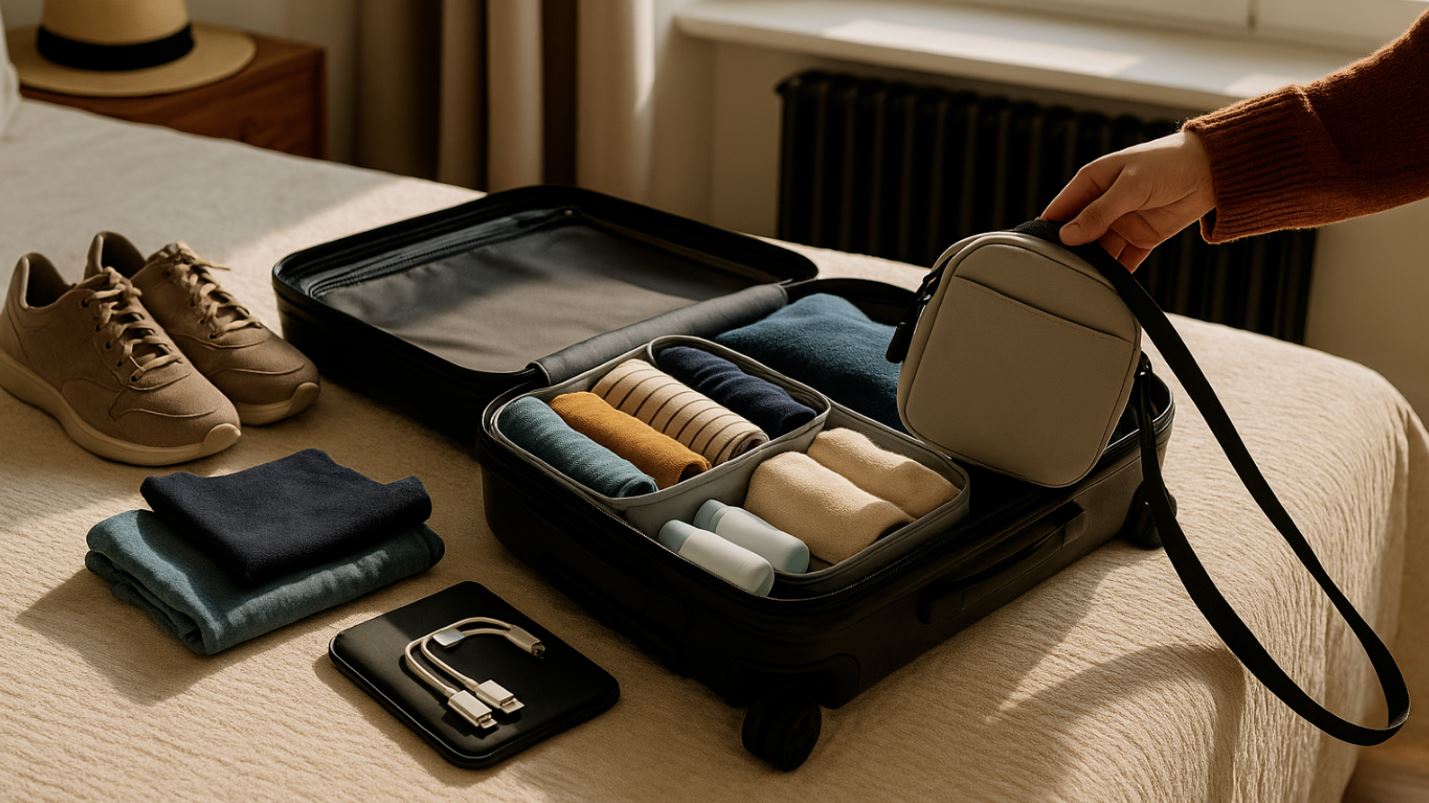
The emotional foundation of packing
Packing often reveals how a traveler feels about their upcoming journey. People sometimes fill their bags with unnecessary items because they worry about being unprepared. Others pack too lightly because they expect improvisation to solve every challenge. The approach here recognizes that packing reflects mindset. When travelers begin packing with emotional clarity, they make better decisions. They choose items that support their goals instead of reaching for objects that soothe hidden anxieties. Travelers who take a quiet moment to consider their intentions discover that the process becomes smoother and more meaningful. Packing transforms from a chore into a calm ritual that prepares the mind for change and movement.
The emotional layer of packing becomes even more visible when travelers face uncertainty. Many journeys include unknown elements. Weather may shift. Plans may evolve. Unexpected events may appear without warning. Travelers who pack while feeling stressed often try to compensate with excess. They fill their bags to guard against every possible outcome. Unfortunately, this approach creates more weight and reduces clarity. Travelers are encouraged to separate emotion from preparation. When they understand that fear does not solve uncertainty, they pack with confidence instead of clutter. This shift makes packing a healthier process. It supports emotional balance and increases readiness.
Emotional awareness also affects how travelers relate to possessions. Some people feel deeply attached to specific objects, believing they will lose comfort if those objects stay behind. Others feel disconnected from their belongings and pack carelessly. Both extremes affect travel experiences. Packing becomes easier when travelers evaluate their relationship with each item. Does it serve a purpose. Does it bring comfort. Does it reduce stress. Does it help the journey unfold with ease. Examining items through these questions ensures that belongings support the emotional foundation of the trip. Packing then becomes a mindful act that reinforces calm and intention.
Creating clarity before placing a single item in the bag
Many packing problems arise because people begin filling their bags before understanding what they need. Instead of starting with items, this approach encourages starting with reflection. Travelers consider where they are going, why they are going, and how they want the trip to feel. These questions create a framework that guides the entire packing process. When travelers understand the purpose of their journey, they pack more effectively. They choose items that support activities, climate, culture, and personal comfort. This clarity reduces the temptation to pack excessively.
Another aspect of clarity involves timing. Rushed packing increases mistakes. Travelers often forget essentials or include unnecessary weight when they pack under pressure. Creating time for packing gives space for consideration. It allows travelers to think through their needs, understand their itinerary, and anticipate likely environments. Packing slowly, with intention, supports relaxation and confidence. Even a short pause for reflection can save hours of stress later. This deliberate approach helps travelers feel grounded long before departure.
Clarity also means understanding the limitations of the bag itself. Some travelers carry bags that are too large, which encourages unnecessary items. Others carry bags that are too small, forcing difficult compromises. Choosing a bag that aligns with the length and style of the journey makes a significant difference. A well chosen bag becomes a partner in the packing process. It supports organization, clarity, and comfort. When travelers understand the strengths and limitations of their bag, they pack with greater discipline and ease.
Reducing weight to increase freedom
One guiding principle here is the belief that the lighter the bag, the freer the traveler. Heavy luggage slows movement, creates tension, and increases fatigue. Light luggage encourages fluidity and calm. Yet many travelers struggle to minimize their belongings because they imagine unlikely scenarios where extra items might be needed. Instead of asking what might be required, travelers are encouraged to ask what will truly support their goals. This gentle shift reduces weight naturally without sacrificing comfort. Many discover they did not need most of the items once considered essential.
Reducing weight also requires honesty. People sometimes pack items linked to identity rather than utility. A stack of books may symbolize curiosity. Multiple outfits may symbolize style. Extra gadgets may symbolize preparedness. The question remains whether these items contribute to the experience. Separating identity from necessity helps travelers pack more freely. One meaningful book can offer more comfort than many. Versatile clothing can feel more liberating than excess choice. Reducing weight with honesty lightens both body and mind.
Another benefit of light packing is adaptability. Travelers move more freely through airports, streets, buses, and trains. Decisions are shaped by opportunity rather than burden. When unexpected situations arise, lighter travelers adjust quickly because they are not anchored by heavy belongings. This freedom supports emotional steadiness and reinforces confidence. Packing light is not about sacrifice. It is about creating space for a smoother and more fulfilling experience.
Developing a practical rhythm that supports calm
Practical packing thrives on rhythm. When travelers create a consistent method, the process becomes easier each time. Beginning with categories rather than individual items brings structure. Clothing supports comfort. Essentials support function. Small objects support personal well being. Organizing around categories reduces chaotic decision making and keeps the process calm and focused.
Rhythm also involves sequencing. Essential items such as documents, phone, wallet, and medications receive priority. Securing these early reduces anxiety later. Clothing follows. Personal items come after. Each category builds on the previous one, creating a sense of progress. Packing becomes a structured flow rather than a scattered task.
Review is another part of rhythm. Taking a quiet moment after initial packing helps identify unnecessary items or missing essentials. This pause supports graceful decision making. Packing becomes calming when approached as a series of small, intentional choices. This rhythm reinforces emotional clarity and supports considered movement.
The relationship between space and comfort
Packing is not only about what you bring. It is also about how you use the space inside your bag. The interior of luggage often mirrors mental state. A cluttered bag creates friction. An organized bag creates ease. When travelers approach interior space with care, stress decreases throughout the journey. Items become easier to find. Movements become smoother. Comfort increases naturally.
Creating space also involves choosing storage methods that align with personal habits. Some travelers prefer packing cubes for structure. Others prefer open compartments for flexibility. No single method is prescribed. The method that reduces stress is the right one. Packing according to natural preferences creates harmony that supports comfort from departure to return.
Space reflects priorities as well. Frequently used items stay accessible. Rarely used items move deeper into the bag. Organizing by usage creates natural order and efficiency. Space is not an afterthought. It is part of the packing philosophy. Valuing space means valuing the experience itself.
Packing as an expression of respect for the journey
Packing can be an expression of respect. Respect for personal comfort and for the places visited. Packing with intention honors the journey ahead. Consideration replaces impulse. Patience replaces rush. Packing becomes a way of acknowledging that the journey deserves care. Travelers who pack mindfully arrive with grounded confidence and move with presence.
This respect extends to environments encountered along the way. Packing lightly reduces strain on shared spaces and transportation systems. It eases movement through crowded areas and supports adaptability. Respecting the rhythm of the journey naturally extends to respecting the rhythm of destinations explored.
Respect also includes cultural understanding. Some destinations value modest dress. Others emphasize simplicity. Packing clothing that aligns with local expectations demonstrates awareness and kindness. This consideration deepens connection and enriches the experience. Packing with curiosity rather than assumption supports thoughtful travel.
The quiet strength of essential items
Every traveler has a few essential items that provide comfort and stability. These items may hold little financial value yet offer emotional reassurance. A familiar notebook, a reliable bottle, or a comfortable scarf can steady the mind in unfamiliar environments. Choosing these items with intention ensures they reduce stress rather than add weight.
Essential items also reinforce routine. Familiar objects support small rituals that anchor the day. Writing, hydrating, or organizing documents in a trusted way builds stability. This sense of routine supports awareness, safety, and emotional balance.
At the same time, essentials teach restraint. Comfort does not require excess. A few carefully chosen items can provide more reassurance than many unnecessary belongings. Essentials reflect clarity and appreciation for what truly matters.
The connection between packing and adaptability
Adaptability is one of the most valuable travel skills. Packing shapes this skill more than many realize. Travelers who pack lightly adjust more easily to change. They respond calmly and move freely. Packing with flexibility in mind prepares travelers for unexpected opportunities and shifting plans.
Adaptability also comes from mindset. Seeing packing as flexible rather than rigid supports openness during the journey. Not every moment requires complete preparation. Balance between readiness and openness allows discovery to unfold naturally.
Packing influences confidence as well. When belongings reflect thoughtfulness rather than impulse, travelers trust their preparation and themselves. Adaptability grows from this trust. Packing becomes a foundation for resilience.
Packing as a reflection of inner calm
Packing often mirrors inner calm. Approaching belongings with clarity, respect, and intention creates space for peace. Packing reveals how travelers handle change, uncertainty, and anticipation. Mindful preparation strengthens emotional resilience and supports patience and self awareness.
Packing also reflects gratitude. Choosing belongings with care highlights their value and purpose. This appreciation extends to the journey itself. Packing becomes the first chapter of the adventure, honoring what lies ahead with calm intention.
As travelers continue exploring, their packing practices evolve. Methods refine. Belongings reduce. Awareness deepens. Packing remains a personal practice shaped by growth and experience. Through mindful preparation, clarity begins long before the journey starts.